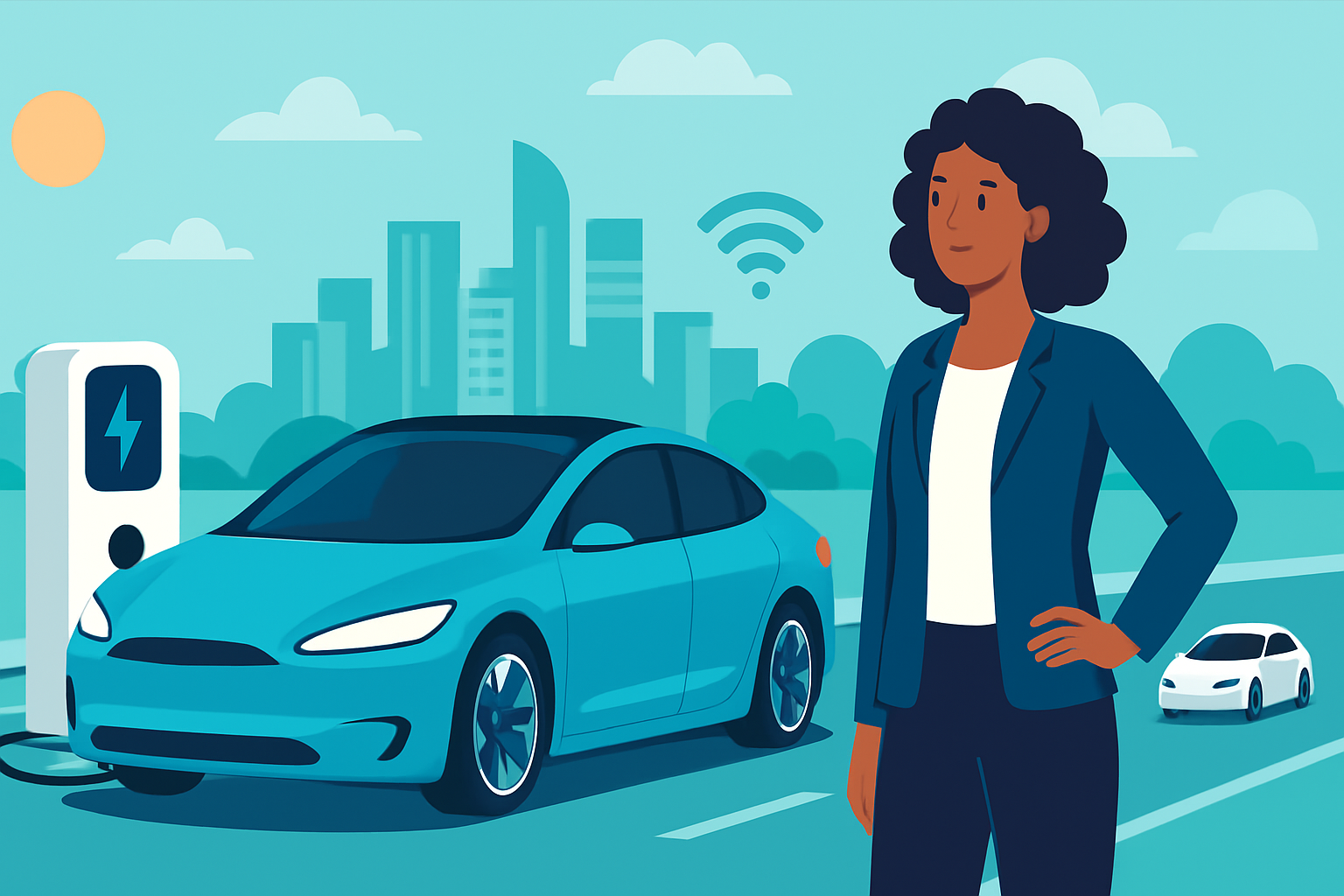
Top Automotive Trends Shaping the Future: Electric Cars, Smart Tech, and Sustainability
The automotive industry is undergoing one of the most transformative periods in its history. Rapid technological innovations, rising environmental awareness, and evolving consumer preferences are shaping a new era for vehicles worldwide. From electric cars to autonomous driving and sustainable manufacturing, the future of transportation looks cleaner, smarter, and more connected than ever before.
Whether you are an automotive enthusiast, a car buyer, or simply curious about the future of mobility, understanding these major trends will help you stay ahead in a fast-changing industry. This guide explores the top automotive trends defining the future, focusing on electric cars, smart technologies, and sustainability.
1. Electric Cars Take Center Stage
Electric vehicles (EVs) are no longer a futuristic concept—they are becoming a mainstream choice for drivers. Governments, automakers, and consumers are all shifting toward a cleaner mode of transportation.
1.1 Growing Popularity of EVs
The demand for electric cars has skyrocketed in recent years. Several reasons explain this rapid growth:
- Lower operating costs: Charging an EV is often cheaper than refueling with gasoline.
- Reduced maintenance: Electric motors have fewer moving parts, which means fewer repairs.
- Environmental benefits: EVs produce zero tailpipe emissions, making them a sustainable option for everyday driving.
As technology advances, electric cars are becoming more affordable, efficient, and accessible—allowing more drivers to make the switch.
1.2 Expanded Charging Infrastructure
One of the biggest concerns for EV owners has been charging availability. However, this barrier is fading as countries and private companies install thousands of charging stations worldwide.
Fast-charging networks now allow drivers to charge up to 80% in as little as 20–30 minutes, making long-distance EV travel far more convenient.
1.3 Battery Technology Improvements
Advanced battery technology is pushing the automotive industry into a new era. Innovations include:
- Longer driving range: New EVs can now travel 400–600 km per charge.
- Fast charging capability: Ultra-fast chargers reduce waiting time significantly.
- Improved battery lifespan: Modern EV batteries can last 10–15 years or more.
Researchers are also developing solid-state batteries, which promise higher energy density, shorter charging time, and greater overall safety.
1.4 Government Support
Countries are offering incentives such as tax reductions, lower registration fees, and grants to encourage EV adoption. In addition, many nations plan to ban sales of gasoline-powered cars within the next two decades.
This global push ensures that electric cars will continue to dominate the future automotive market.
2. Smart Technology Revolutionizing Vehicles
Technology is transforming vehicles from simple means of transport into intelligent machines that can think, communicate, and even drive themselves.
2.1 Advanced Driver Assistance Systems (ADAS)
ADAS features are now available in even mid-range vehicles. These technologies improve driving safety and convenience through systems such as:
- Automatic emergency braking
- Lane keeping assist
- Adaptive cruise control
- Blind spot monitoring
- Traffic sign recognition
ADAS plays a crucial role in reducing road accidents and improving driver confidence.
2.2 Autonomous Driving
Self-driving cars are no longer just a concept. Companies are testing autonomous vehicles on public roads, and some are already offering semi-autonomous features in commercial models.
Autonomous driving is categorized into levels:
- Level 1–2: Driver assistance, such as steering and braking support.
- Level 3: Conditional automation, where the vehicle can drive itself in certain conditions.
- Level 4–5: Full automation, where the system can operate without human intervention.
While fully driverless cars may take time to become mainstream, autonomous technology is steadily advancing, paving the way for safer and smarter roads.
2.3 Internet of Things (IoT) Integration
Modern vehicles are becoming fully connected systems. IoT allows cars to communicate with:
- Smartphones
- Other vehicles
- Traffic signals
- Road infrastructure
This connectivity supports features like real-time navigation, remote diagnostics, automatic updates, and improved traffic management.
2.4 Over-the-Air (OTA) Software Updates
Just like smartphones, newer cars receive OTA updates that improve vehicle performance, security, and features. This ensures the car stays updated without visiting the service center.
2.5 Infotainment and Digital Interfaces
Drivers now expect cars to provide the same digital convenience they have at home. Modern infotainment systems include:
- Voice assistants
- Large touchscreen displays
- Wireless Apple CarPlay and Android Auto
- Personalized driving profiles
These features enhance user experience and make driving more enjoyable.
3. Sustainability Becomes a Core Priority
As climate change becomes a global concern, the automotive industry is taking major steps toward sustainability—not just in how cars are powered, but also how they are built.
3.1 Eco-Friendly Manufacturing
Automakers are increasingly adopting green production methods:
- Using renewable energy in factories
- Recycling water and reducing waste
- Designing energy-efficient manufacturing processes
Some brands have even opened carbon-neutral plants to reduce their environmental footprint.
3.2 Sustainable Materials in Vehicles
The use of sustainable materials is becoming more common. Examples include:
- Recycled plastics
- Natural fibers like bamboo and hemp
- Vegan leather alternatives
- Recycled metal
This approach not only helps the environment but also appeals to eco-conscious consumers.
3.3 Circular Economy Practices
Car manufacturers are adopting circular economy strategies by reusing, recycling, and remanufacturing vehicle components. Battery recycling plays a particularly important role, as the demand for EV batteries continues to rise.
3.4 Renewable Energy Integration
Electric cars are often powered by renewable energy sources such as solar or wind. Some homes now include solar panels that allow drivers to charge their cars with clean energy directly from their property.
4. Shared Mobility and Changing Consumer Behavior
The way people think about car ownership is changing. Many urban residents prefer convenience over ownership.
4.1 Rise of Ride-Sharing Services
Ride-hailing apps remain popular, reducing the need for personal vehicles in crowded cities. These services offer:
- Cost-effective transportation
- Less parking stress
- Reduced traffic congestion
4.2 Car-Sharing and Subscription Models
Instead of purchasing a vehicle, users can rent or subscribe to cars for short-term needs. This is especially popular among younger generations who value flexibility and affordability.
4.3 Mobility as a Service (MaaS)
MaaS integrates several transportation modes into one digital platform. Users can:
- Compare different travel options
- Plan routes
- Pay for services in one app
This trend supports smarter, greener, and more efficient travel systems.
5. The Future of Automotive Design
The shift toward electrification and smart technology is reshaping how cars look and feel.
5.1 Minimalist Interior Designs
Since electric cars do not require complex mechanical parts, designers now create more spacious and modern interiors. Expect:
- Flat floors
- Large screens
- Fewer physical buttons
- Lounge-style seating
5.2 Aerodynamic Shapes
To improve efficiency and range, automakers are prioritizing aerodynamic designs. Sleeker shapes help reduce drag and energy consumption.
5.3 Personalized Features
Cars of the future may have personalized settings for:
- Music
- Seat position
- Driving mode
- Climate control
Drivers will enjoy a fully customized experience tailored to their preferences.
Conclusion
The automotive world is evolving at an unprecedented pace. Electric vehicles, smart technology, and sustainability are shaping a cleaner, safer, and more efficient future. As technology continues to advance, the cars of tomorrow will be more than just transportation—they will be intelligent, eco-friendly, and seamlessly connected to our daily lives.
Understanding these key trends will help drivers, businesses, and communities prepare for a future where mobility is smarter and more sustainable than ever before.
Leave a Reply